Looking for a Bible Study? Click here.

Ephesians
Lesson 14
Ch 5:10-14
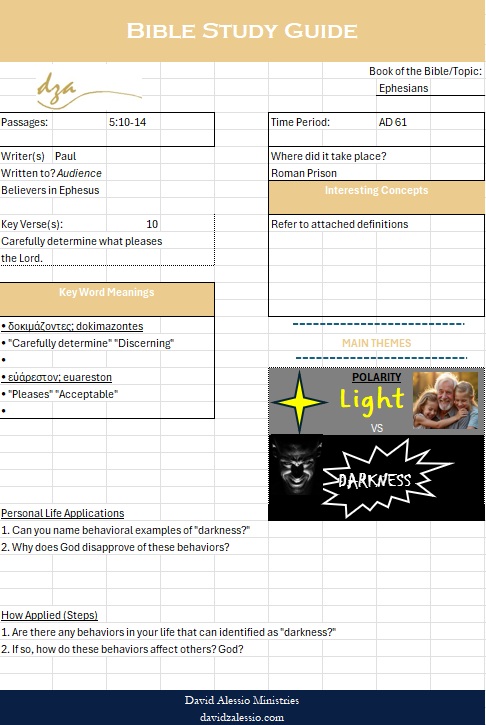
10 Carefully determine what pleases the Lord. 11Take no part in the worthless deeds of evil and darkness; instead, expose them. 12 It is shameful even to talk about the things that ungodly people do in secret. 13 But their evil intentions will be exposed when the light shines on them, 14 for the light makes everything visible. This is why it is said,
“Awake, O sleeper,
rise up from the dead,
and Christ will give you light.”




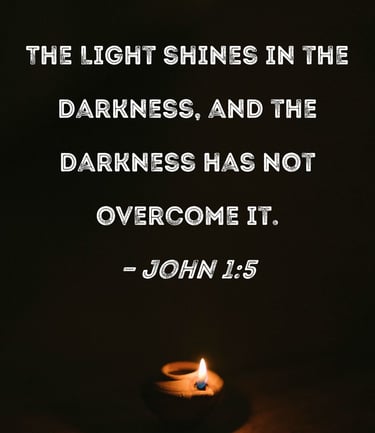
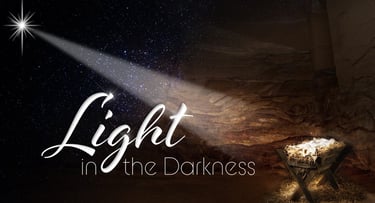
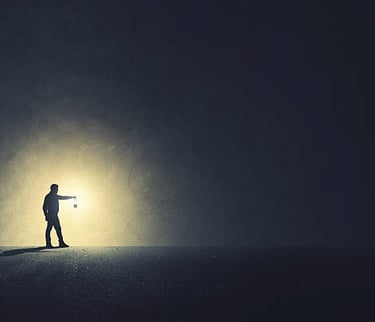

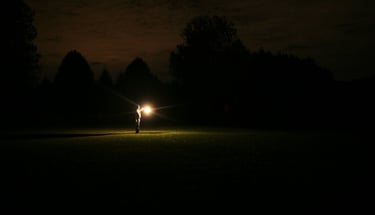
Symbolic Meanings
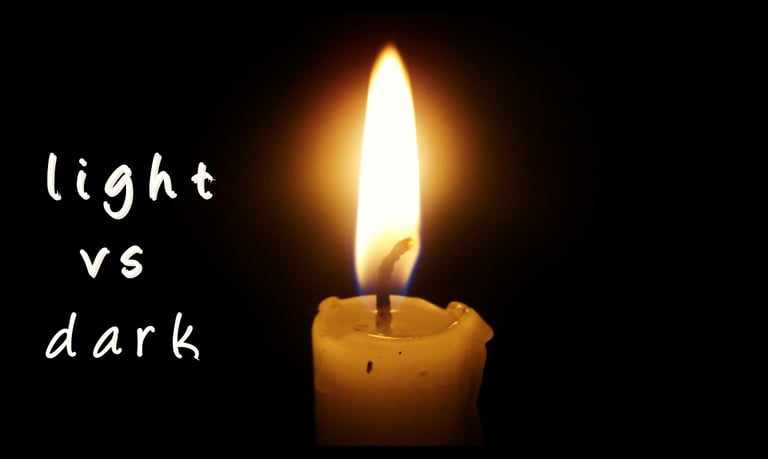
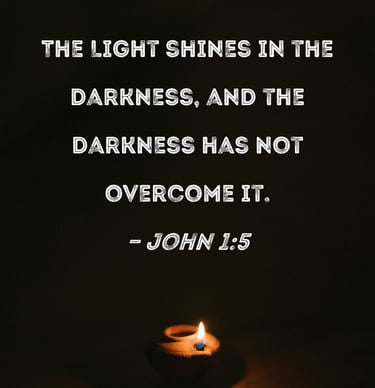
Light and darkness are often used symbolically to represent various concepts:
Light: Typically symbolizes life, goodness, knowledge, and divine presence. It is associated with creation and is seen as a source of hope and clarity.
Darkness: Represents chaos, ignorance, evil, and separation from the divine. It is often viewed as a state of despair or moral corruption.
Cultural Perspectives
Different cultures interpret light and darkness in unique ways:
Religious Contexts: In many religious texts, light is associated with divine guidance and truth, while darkness signifies sin and separation from God. For example, in Christianity, Jesus contrasts light and darkness to illustrate moral choices.
Philosophical Views: Philosophies like Taoism view light and darkness as complementary forces, similar to the concept of Yin and Yang, where both are necessary for balance.
Psychological Aspects
On a personal level, light and darkness can represent the duality within individuals:
Inner Conflict: People often experience a struggle between their positive (light) and negative (dark) traits. This duality can manifest in behaviors and choices throughout life.
Balance: Achieving harmony between these opposing forces is seen as essential for personal growth and understanding.
Conclusion
Light and darkness are rich in meaning, serving as metaphors for moral, spiritual, and psychological concepts. They illustrate the complexities of existence and the human experience.